
Card Games for Kids Ages 7-12 That Adults Won't Get Bored Playing
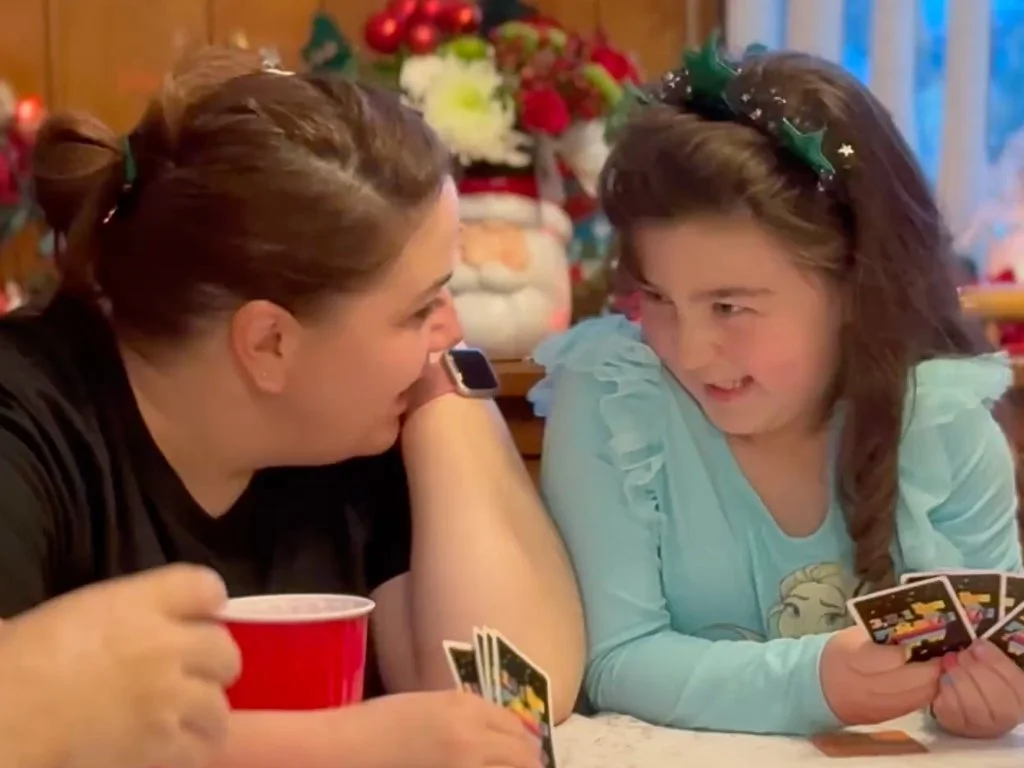
Family game night sounds great in theory. In practice, it usually goes one of two ways: the adults are stuck playing something so simple they're mentally checking their grocery list by round two, or the kids are frustrated because the game is too complicated and nobody's having fun.
Finding that sweet spot, a card game that's genuinely engaging for a 7-year-old and for the adults at the table, is sometimes harder than it sounds. But it's not impossible. You just need to know what to look for.
What Actually Makes a Card Game Work for Everyone
Before getting into recommendations, it helps to understand why most kids' card games lose the interest of the adults fast.
The usual culprits: pure luck with no decisions to make, rounds that drag on too long, or mechanics so thin that you stop paying attention after five minutes (think Candy Land or Chutes and Ladders). Adults don't need a complex strategy game. They just need something to think about. Something that keeps them invested in the game.
On the flip side, kids ages 7-12 are more capable than most games give them credit for. By 7 or 8, most kids can follow multi-step rules, handle a little friendly competition, and appreciate when something funny or unexpected happens. By ages 10-12, they're often ready for light strategy and genuinely want to compete.
So the sweet spot is a game with:
Simple rules that don't require a huge manual read-through every session
Enough decision-making that adults stay mentally present
Moments of surprise, chaos, or humor that land for everyone
Play time no longer than 30 minutes — long enough to feel satisfying, short enough to want to play again
Games that hit all four of these are out there. You just have to know what you're looking for. Most people don't even realize these games exist until they stumble onto one.
A Game Built Exactly for This Problem
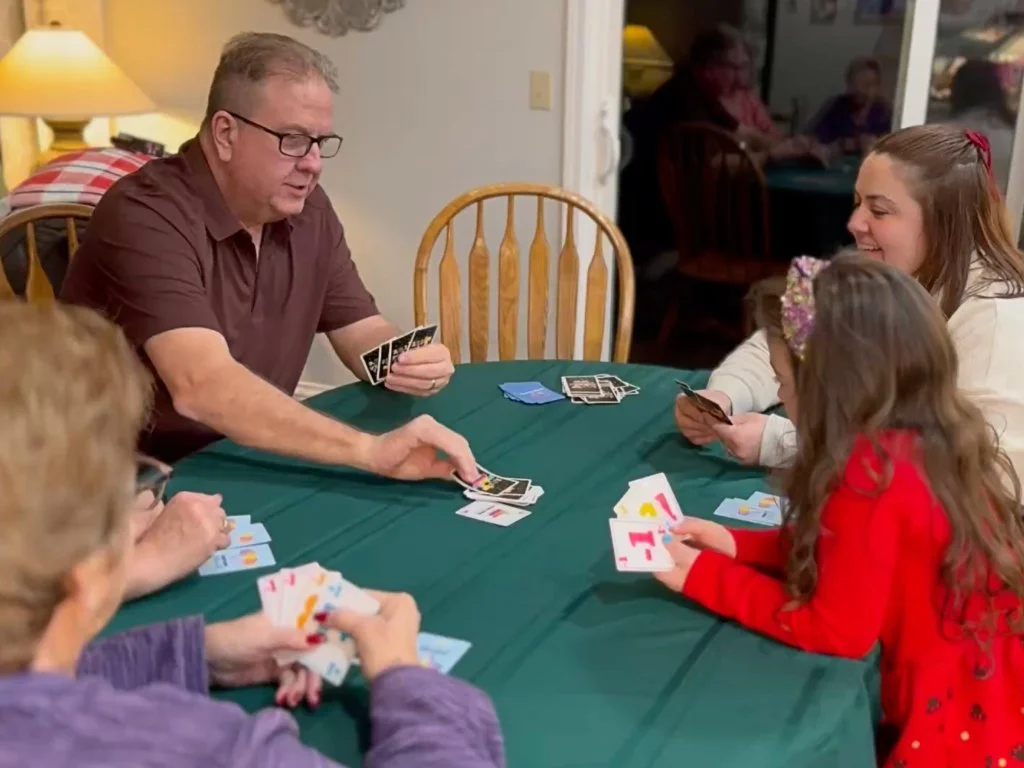
3, 2, 1 Piñata! is a card game designed for players ages 7 to 99! That range isn't just marketing language. It was built with the specific goal of making family game night fun for the whole table, not just the youngest player in the room.
Here's how it works: the table shares the "count" which starts at 5. On your turn, you play a card that moves the count up or down. Land it on exactly 0 or 10, and you earn a Candy Card. First player to collect 5 Candy Cards wins. The catch? The “count” is shared and is the same for everyone at the table. If you don’t play your cards right, you may just setup your opponent to score instead of you. On top of that, everyone else is trying to steal the candy you’ve earned (and you’re trying to steal theirs). Other players can steal, sabotage, and essentially throw a wrench in your plans which means even when it's not your turn, you're paying attention trying to figure out your next move. That's the key ingredient most kids' games are missing. Nobody's just sitting there waiting to “roll the dice”. Everyone's involved.
The rules are simple enough that a 7-year-old can learn them in one round, but the decisions such as when to play your cards, when to hold back, when to mess with someone else's turn, keep adults genuinely engaged. It's not a game you're tolerating for the sake of the kids. It's a game you're actually playing.
A few other things that make it work for this age range:
Plays, on average, in about 15 minutes, so it fits naturally into a weeknight or keeps momentum going at a party
Works for 2-5 players, which covers most family configurations (kids/siblings, parents, grandparents, etc.)
The piñata theme gives it built-in energy. Kids ages 7-12 are immediately drawn in, and the colorful, festive design makes it easy to pull off the shelf and get started
Tips for a Smoother Game Night with Kids Ages 7-12
Even with a great game, a few small things can make the experience better for everyone:
Let the kids run the setup. Kids in this age range love having a role. Let them shuffle, deal, and explain the rules to anyone who hasn't played. It gives them ownership and gets the game started faster. Take my word for it. Once they learn how to play, they’ll eagerly tell any other adult (or kid) in the room how to play because in their mind if someone else knows how to play they’ll want to play the game with me too.
Keep the first round low-stakes. Especially with younger players, treat the first round as a practice run. Nobody's really losing, everyone's learning, and it removes the pressure that can make 7 and 8-year-olds shut down. Usually, players are supposed to keep their cards hidden from other players. Instead, have everyone start with their cards face up on the table for all to see. This helps kids get comfortable with the game mechanics since they can see what cards other players have and how they’ll play them. But watch out, once they learn the game, they’ll show no mercy. Believe me, I’ve seen it happen so many times. But that’s what makes it fun!
Pick games with a defined end. Open-ended games that just kind of stop when everyone gets tired is frustrating for both kids and adults. A game with a clear winner and a clear ending gives everyone something to play toward and makes it easy to say "one more round."
3, 2, 1 Piñata! checks that last box naturally. There's a winner, the game ends cleanly, and nine times out of ten someone at the table immediately wants to play again.
Frequently Asked Questions
What card games are good for kids ages 7-12?
The best ones for this age range combine simple rules with enough variety or decision-making to stay interesting across multiple plays. Games that involve player interaction, where you can affect what other players are doing, tend to work especially well because they keep everyone at the table engaged.
Can kids and adults actually enjoy the same card game?
Yes, but the design has to support it. Games that just “play themselves”, and all you do is go through the motions, tend to bore adults quickly. Games with too much complexity frustrate younger kids. The ones that work are usually built around simple but meaningful choices, a short play time, and moments of surprise or humor that land regardless of age.
How do I keep adults from tuning out during kids' game night?
Look for games that keep you involved even when it's not your turn. Not just thinking ahead, but actually able to react. Player interaction and a little friendly chaos go a long way. If the game stalls, that's where things can go awry.
Is 3, 2, 1 Piñata! good for younger kids in this range, like 7 or 8-year-olds?
Yes. The rules are designed to be learned in a single round, so younger players aren't overwhelmed trying to remember complex mechanics. The theme also helps. The piñata concept is immediately familiar and exciting for that age (or any age for that matter), which makes kids want to engage from the start.
The Bottom Line
Family game night doesn't have to mean adults playing along just to be nice. The right game makes everyone at the table a real participant, and for kids ages 7-12, that game exists.
3, 2, 1 Piñata! was built for exactly this. Simple enough for a 7-year-old to jump in, engaging enough that the adults are actually having fun, and fast enough that everyone wants to play again when it's over.
Need a Card Game for Kids and Adults?
If you're tired of game nights where half the table checks out, give 3, 2, 1 Piñata! a shot. It's fast, it's a little chaotic, and kids and adults end up equally hooked. Try the free Print & Play demo tonight (link below), or order it on Amazon and have it ready before your next game night.
🛒 Grab it on Amazon - ships fast, so you'll have it before your next game night.
🖨️ Not sure yet? Download the free Print & Play demo and try it tonight before you commit.